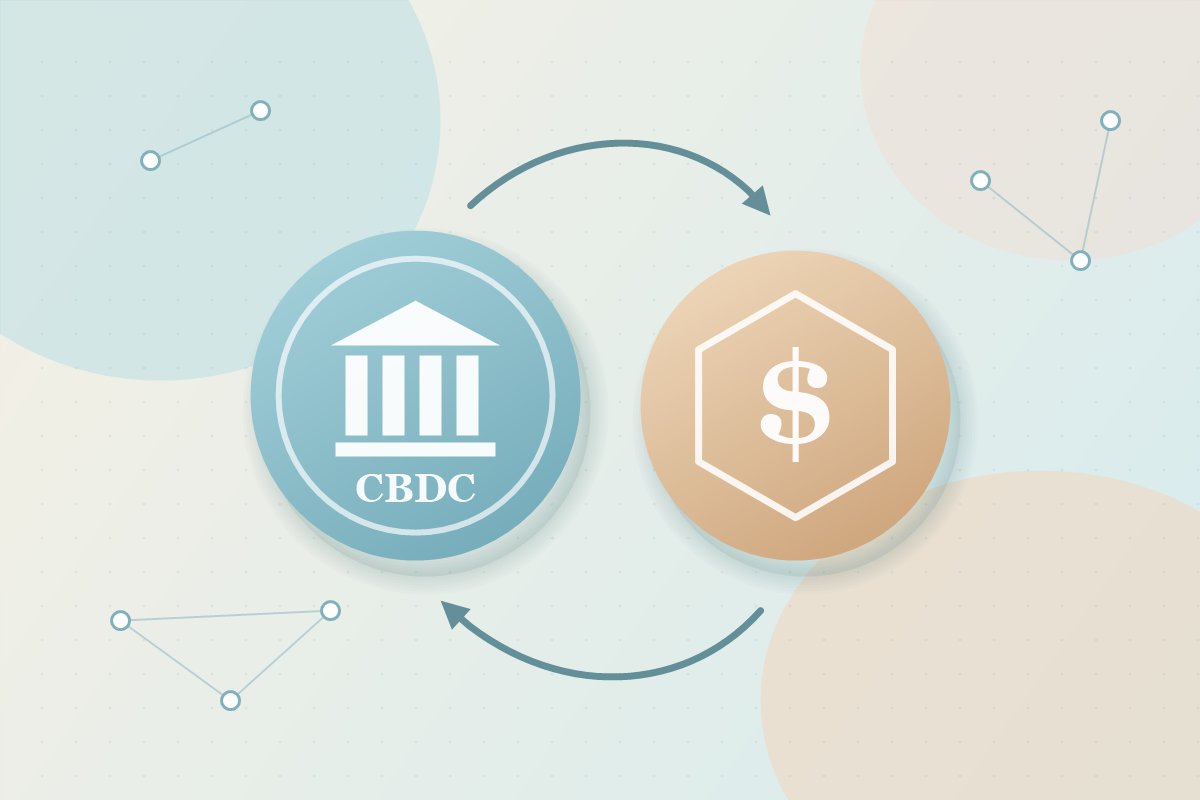
Money is changing shape again. On one side, central banks are developing their own digital currencies — CBDCs. On the other, private issuers are minting stablecoins pegged to the dollar, the euro and other currencies, and already settle hundreds of billions of dollars in payments. Both technologies promise fast, cheap and programmable payments, but they answer the key question differently: who stands behind digital money, and who controls the infrastructure it moves on.
What CBDCs and stablecoins are
A CBDC (Central Bank Digital Currency) is a digital form of a national currency that is a direct liability of the central bank. It is essentially cash in electronic form: its reliability rests on the state, not on the balance sheet of a commercial company.
A stablecoin is a private digital token whose value is pegged to a fiat currency or a basket of assets. The issuer promises to redeem the token at par and holds reserves against it: deposits, short-term government bonds and sometimes other assets. A stablecoin's reliability depends on the quality of those reserves, the transparency of its reporting and the regulation of its issuer.
| Parameter | CBDC | Stablecoin |
|---|---|---|
| Issuer | Central bank | Private company |
| Whose liability | The state's | The issuer's, backed by reserves |
| Infrastructure | Usually closed or permissioned | Usually public blockchains |
| Availability | Within the jurisdiction, under central bank rules | Global, 24/7 |
| Main risk | Privacy and the role of banks | Reserve quality and regulation |
Where CBDCs stand today
Most of the world's central banks are researching or testing digital currencies. China is expanding the digital yuan through large-scale pilots, the euro area continues preparing the digital euro, and India, Brazil and a number of other countries are experimenting with retail and wholesale models. At the same time, interest is growing in wholesale CBDCs — central bank settlement money for interbank operations and transactions in tokenized assets.
Retail CBDCs, however, face serious questions. How can citizens' privacy be protected? Will deposits flee commercial banks into "digital cash" during a panic? That is why many projects envisage holding limits and an intermediated model in which banks and payment companies serve customers.
Why stablecoins grew faster
Stablecoins emerged from the bottom up — out of the needs of the crypto market — and quickly moved beyond it. They are used for international transfers, supplier payments, holding savings in dollars in countries with unstable currencies, and as a settlement asset in tokenized transactions. Their key advantages are round-the-clock operation, instant final settlement and easy integration through an API.
Regulation was the turning point. In the European Union, the MiCA regulation sets requirements for issuers of currency-referenced tokens; in 2025 the United States adopted a federal law on payment stablecoins; and regulators in the UK, Singapore and Hong Kong have also built their own regimes. Requirements for full reserve backing, audits and redemption rights have made stablecoins far more understandable to banks and corporate clients.
Competitors or parts of one system
CBDCs and stablecoins are increasingly seen not as rivals but as different layers of the future monetary system:
- wholesale CBDCs provide final settlement between financial institutions;
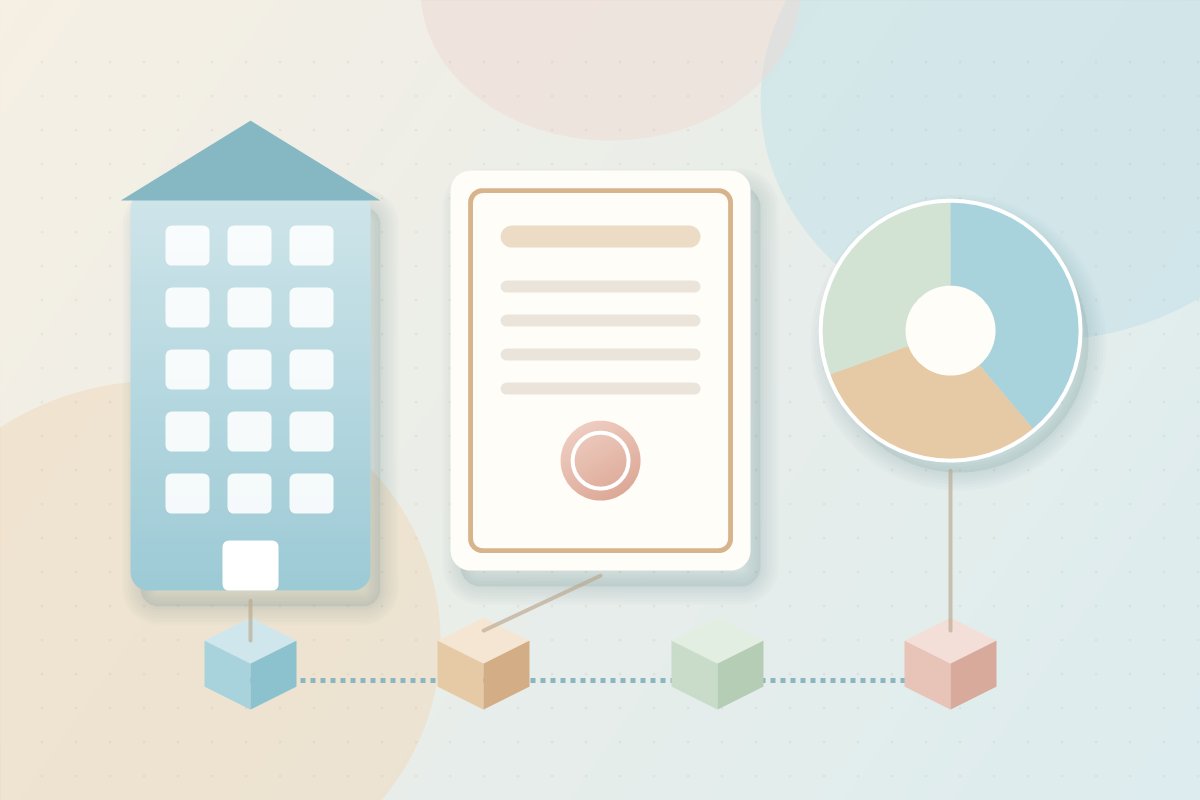
- tokenized bank deposits bring familiar commercial bank money onto programmable platforms;
- regulated stablecoins serve global payments, e-commerce and settlement on public networks.
The most important condition for such a model is interoperability. If digital money from different issuers cannot be freely exchanged with each other and with traditional payment systems, the market risks fragmenting again into isolated "islands".
What this changes in international settlements
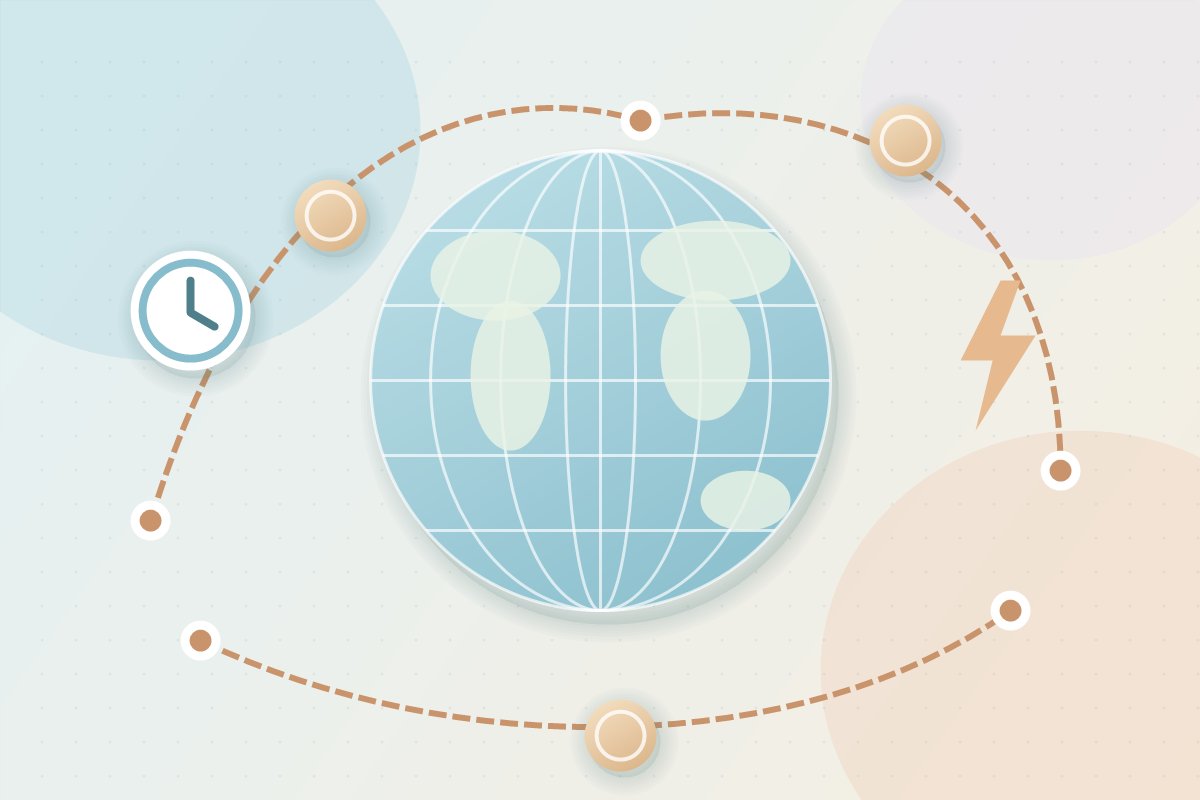
Cross-border payments remain the most expensive and slowest segment of finance. Multilateral CBDC platforms and stablecoin networks offer the same idea: direct settlement without a long chain of correspondent banks. For businesses, this means predictable timelines, less liquidity trapped in foreign accounts and transparent transfer costs.
For emerging economies the picture is mixed. Access to dollar stablecoins simplifies foreign trade, but it can accelerate dollarization and weaken control over monetary policy. That is precisely why many central banks see their own CBDCs as a way to preserve monetary sovereignty.
Conclusion
The future of money is unlikely to belong to a single technology. A hybrid system is more likely to emerge, in which public digital money provides trust and settlement finality, while private regulated stablecoins provide speed, global reach and innovation. The winners will be the banks and fintech companies that are already building infrastructure able to work with both kinds of digital money.
This article was prepared by the editorial team and is for informational purposes only.