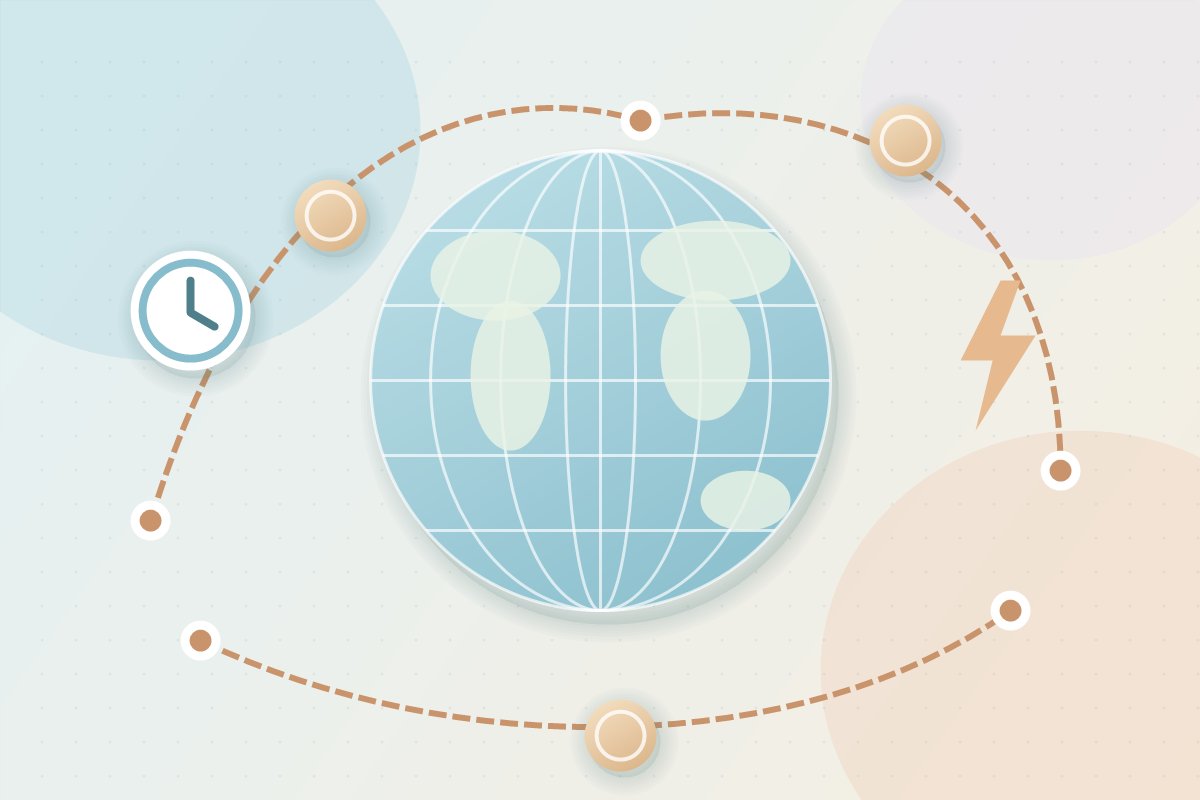
Within many countries, money can already be sent in seconds, around the clock. But as soon as a payment crosses a border, it often becomes slow, expensive and opaque again. For businesses that pay suppliers and receive revenue in different currencies, this means trapped liquidity and hidden costs. New real-time payment networks are gradually changing that picture.
Why international transfers are expensive
A traditional cross-border payment passes through a chain of correspondent banks. Each participant checks the transaction, takes its own fee and works on its own schedule. As a result:
- funds take from one to several business days to arrive;
- the final amount credited is unknown in advance because of intermediary fees;
- currency conversion often happens at an unfavorable rate;
- companies keep funds in foreign accounts to be able to pay on time;
- tracking the status of a payment is difficult.
The G20 countries have acknowledged the problem and approved a roadmap for enhancing cross-border payments, with targets for cost, speed, transparency and access to be reached by 2027.
What next-generation payment networks change
Domestic instant payment systems
UPI in India, Pix in Brazil, FedNow in the United States and SEPA Instant in Europe have shown that real-time payments can be both mass-market and cheap. The next step is connecting these systems to each other. Bilateral links already operate in Asia, while multilateral projects such as Nexus offer a single standard for connecting domestic networks.
Modernizing the correspondent model
SWIFT gpi has made most payments trackable and significantly sped up crediting. The move to the ISO 20022 messaging standard has added structured data to payments, simplifying automated processing and compliance checks.
Blockchain settlement and stablecoins
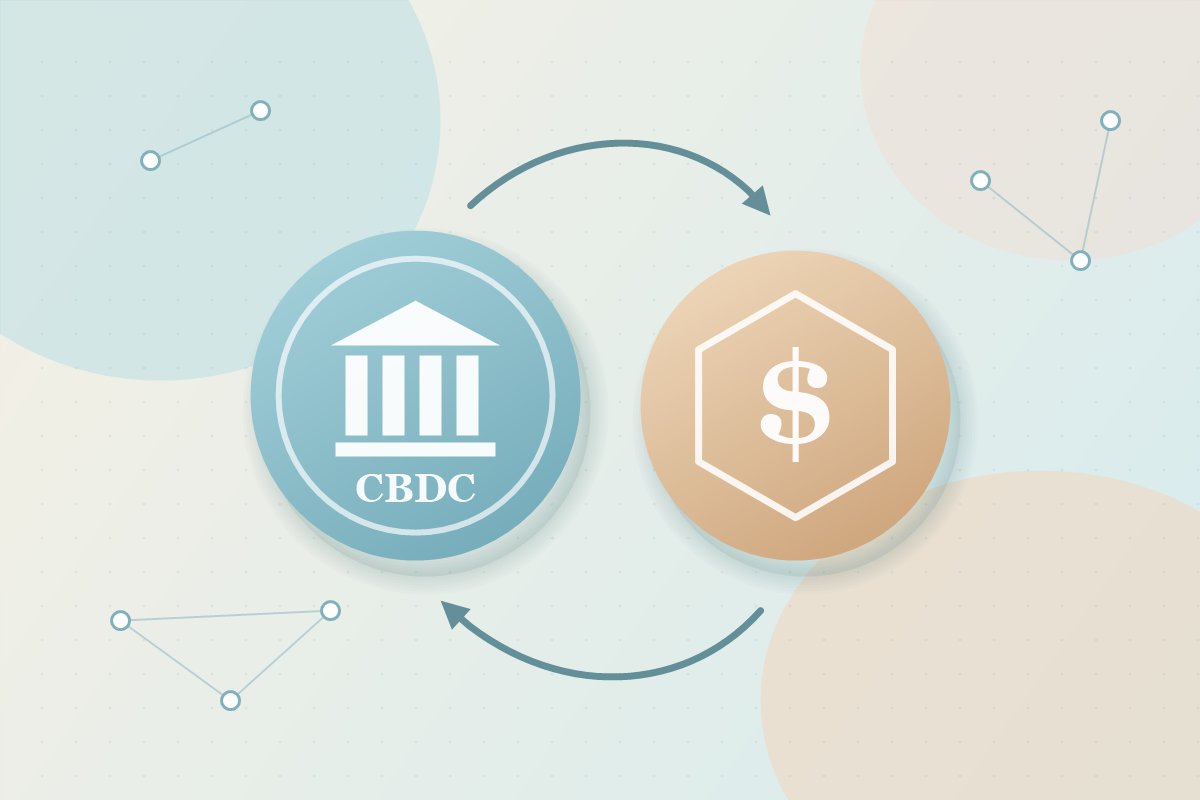
Regulated stablecoins and tokenized deposits make it possible to settle around the clock, with final settlement in minutes. Payment companies use them as a "bridge" between currencies, especially in corridors where correspondent relationships are weak.
What businesses gain
- Lower transfer costs thanks to fewer intermediaries and competitive currency exchange;
- Predictability: the rate, the fee and the amount credited are known in advance;
- Released liquidity that used to sit in foreign accounts;
- Faster supplier payments and, as a result, better contract terms;
- Automated reconciliation thanks to rich data in payment messages.
Barriers to instant settlement
Technology is moving faster than the rules. Differing requirements for anti-money laundering, data protection and currency controls slow down the integration of networks. Issues of time zones, liquidity in exotic currencies and the liability of parties in case of errors need to be resolved. In addition, speed increases fraud risk: an instant payment is almost impossible to recall, so payment systems need payee verification and real-time monitoring.
How a company can prepare
- Analyze current international payment costs, including FX losses and the cost of liquidity held abroad.
- Compare providers on the total cost of a transfer, not just the advertised fee.
- Move accounting systems to working with structured ISO 20022 data.
- Consider multi-currency accounts and payment platforms with access to instant networks.
- Build counterparty checks and anti-fraud controls into the payment process.
Conclusion
International payments are moving from the era of "several days and an unknown fee" to the era of real-time settlement. Linking domestic instant payment systems, modernizing the correspondent network and regulated digital money are making transfers faster and cheaper. Companies that rethink their payment processes now will gain an edge in cost, speed and working capital management.
This article was prepared by the editorial team and is for informational purposes only.